
Dismantling the Myth of the Cybersecurity Talent Gap
The cybersecurity industry in 2026 is operating inside a costly contradiction. On one side, executives continue to sound the alarm about a massive global talent shortage. On the other, highly capable professionals are being systematically filtered out before they ever get a chance to prove their value.
This disconnect is not a market failure. It is a hiring failure.
For years, organizations have leaned on the narrative of a talent gap as a default explanation for security weaknesses. It is a convenient position. It shifts accountability away from internal processes and toward external conditions. But the reality is far less comfortable. The right people have always existed. They simply were not recognized, validated, or hired in time.
Rethinking the Talent Gap
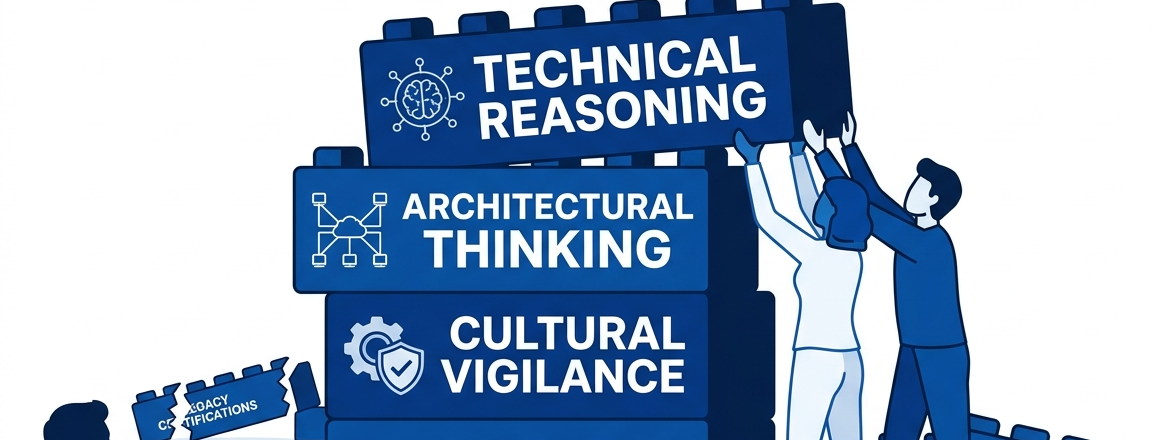
The idea that there are not enough skilled cybersecurity professionals is built on outdated assumptions. Many companies are still hiring based on static profiles, legacy certifications, and rigid expectations that do not reflect how modern threats operate.
This approach creates artificial scarcity. By searching for a narrow, predefined candidate, organizations limit their own pipeline. The result is longer hiring cycles and increased exposure to risk. In cybersecurity, time is not a neutral factor. Every delay in hiring directly impacts the organization’s ability to defend itself.
The issue is not a shortage of talent. It is a misalignment between hiring criteria and real-world capability.
Why Traditional Signals Are Failing
One of the most persistent mistakes in cybersecurity hiring is the reliance on academic pedigree. Degrees from well-known institutions are still treated as a primary filter, even though they are often a poor indicator of real-world skill.
Threat actors do not operate within academic frameworks. Many of the most effective attackers are self-taught and driven by experimentation, curiosity, and persistence. The same traits define strong defenders. When companies filter out candidates who do not fit a traditional mold, they remove exactly the kind of thinking required to counter modern threats.
Another failure point is the way experience is measured. Job descriptions frequently demand years of experience in technologies that are relatively new. This creates a disconnect between expectations and reality.
Strong candidates recognize this immediately and often choose not to apply. What remains are candidates who either exaggerate their qualifications or have learned how to navigate hiring systems without developing real depth. In a fast-moving technical environment, years of experience are less valuable than recent, hands-on capability.
The Compliance Comfort Zone
Many organizations have shifted their focus toward compliance-driven hiring. The goal becomes passing audits rather than strengthening defenses.
While compliance is necessary, it does not equal security. Certifications and audit frameworks provide a snapshot of readiness, not a guarantee of resilience. They do not stop active attacks or adapt to evolving threats.
When hiring is centered around compliance, teams become optimized for documentation rather than response. This creates a dangerous imbalance. On paper, everything appears secure. In practice, the organization lacks the technical capability to respond when something goes wrong.
From Hiring Teams to Response Units
To close this gap, organizations need to fundamentally rethink how they approach talent. The goal is no longer to fill roles. It is to build a response unit capable of adapting in real time.
Adaptability becomes the most critical trait. In an environment where tools and attack vectors evolve constantly, the ability to learn quickly is more valuable than static expertise. Professionals who can understand new systems and deploy solutions within days are the ones who create real defensive strength.
Hiring criteria also need to be simplified. Every additional requirement reduces the pool of candidates and increases hiring friction. Organizations should focus on signals that correlate with performance, not credentials that look good on paper.
The vetting process must evolve as well. Resumes are no longer reliable indicators of skill, especially in an era where AI can generate them. The only way to assess real capability is through hands-on, peer-level evaluation that reflects real-world scenarios.
The Cost of Waiting
Delays in hiring are not just operational inefficiencies. They are financial and strategic risks.
The most expensive hire is the one made after a breach has already occurred. At that point, organizations are forced into reactive decisions, often paying a premium for external expertise under pressure.
By contrast, proactive hiring based on real capability creates resilience before incidents happen. It shifts the organization from a reactive posture to a defensive one.
A Shift Toward Signal
The cybersecurity talent gap is not an inevitability. It is the result of outdated systems and misaligned priorities.
Organizations that continue to rely on legacy hiring models will struggle to keep pace with evolving threats. Those that shift toward evaluating real capability, adaptability, and technical depth will build teams that can operate effectively in a rapidly changing environment.
The difference is not access to talent. It is the ability to recognize and hire it.
Final Thought
The professionals capable of protecting modern systems are already in the market. They are not hidden. They are not unavailable. They are simply being overlooked.
The question is not whether the talent exists. It is whether your organization is equipped to find it before it is too late.
If this perspective resonates, stay connected with the Velocity Briefing for more insights on high-stakes leadership, hiring strategy, and technical execution.


